Friendship is a cornerstone of human experience, shaping who we are and how we interact with the world. For children, stories about friendship can be especially impactful, teaching them about loyalty, empathy, and cooperation. Maxwell D. Phoenix’s heartwarming book, “Noah and His Magic Pencil Case,” offers valuable lessons on building lifelong friendships through the delightful adventures of Noah and his pencil case friends.
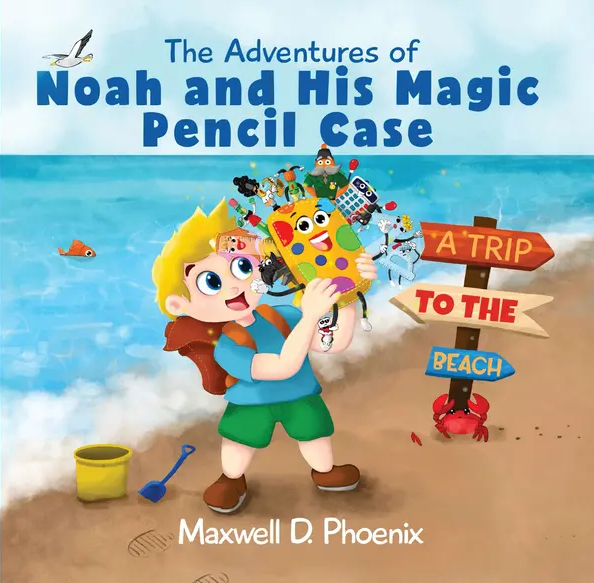
In the book, Noah’s pencil case is not just a container for school supplies; it’s a magical world filled with animated characters who accompany him on his adventures. Each item, from Donald the Stapler to Shamus the Rubber, has a distinct personality, contributing to a diverse and dynamic group of friends. Through their interactions, the story highlights several key aspects of friendship that are essential for children to learn.
1. Embracing Diversity: One of the first lessons from “Noah and His Magic Pencil Case” is the beauty of diversity. Each character in Noah’s pencil case is unique, with different strengths, weaknesses, and personalities. Despite their differences, they work together and appreciate each other’s unique qualities. This teaches children that true friendship isn’t about finding people who are just like us but about embracing and valuing our differences.
2. Teamwork and Cooperation: Throughout the book, Noah and his friends face various challenges that they must overcome together. Whether it’s escaping a pesky seagull or building the best sandcastle, the characters rely on teamwork and cooperation. These stories illustrate the importance of working together, showing children that by combining their strengths and supporting one another, they can achieve great things.
3. Loyalty and Support: Loyalty is a recurring theme in the book. Noah’s friends are always there for him, and he is always there for them. This mutual support is a fundamental aspect of their friendship. For children, understanding that true friends stand by each other in both good times and bad is crucial. It teaches them the value of being a reliable and supportive friend.
4. Conflict Resolution: Friendships aren’t always smooth sailing, and the book doesn’t shy away from this reality. When conflicts arise among Noah’s friends, they work through their disagreements with patience and understanding. This aspect of the story provides a model for children on how to handle conflicts in their own friendships. It emphasizes that misunderstandings and disagreements are natural but can be resolved through communication and empathy.
5. Shared Joy and Adventures: Noah’s adventures with his pencil case friends are filled with joy and excitement. These shared experiences strengthen their bonds and create lasting memories. The book reminds us that friendships are often built on shared experiences and the joy of discovering the world together. For children, this reinforces the idea that spending time with friends and creating memories together is a vital part of building strong relationships.
Maxwell D. Phoenix’s “Noah and His Magic Pencil Case” is more than just a whimsical tale; it’s a valuable resource for teaching children about the essence of friendship. Through the enchanting adventures of Noah and his animated pencil case friends, young readers learn about diversity, teamwork, loyalty, conflict resolution, and the joy of shared experiences. These lessons are fundamental in helping children build and maintain lifelong friendships, shaping them into empathetic and supportive individuals.
In conclusion, storytelling, as exemplified in “Noah and His Magic Pencil Case,” plays a powerful role in imparting essential life lessons to children. By engaging with stories that highlight the qualities of good friendships, children can better understand and embody these traits in their own lives. As they grow, the lessons learned from Noah and his friends will continue to guide them, helping them build meaningful and lasting relationships.